
A den can be difficult to see
What homeowners call a raccoon nest is a sheltered place used for resting or raising young. In an attic, that space may sit near the eaves, behind a partition or beyond the area visible from the access hatch. A quick look into the open center of the attic cannot establish that every cavity is empty.
Sounds concentrated above one room or near a soffit can help identify where an inspection should begin. Keep notes from below rather than moving insulation or reaching into recesses. An animal may defend its young, and the attic itself may contain unsafe footing or contaminated material.
Why the young change the removal plan
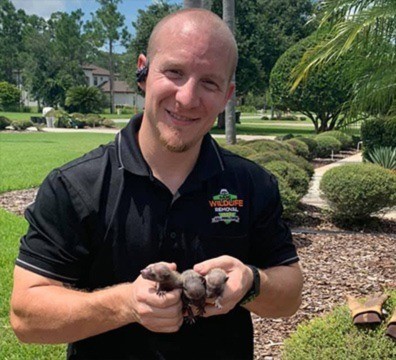
An adult can travel outside while its young remain behind. Closing the entrance during that absence may prevent care from continuing. A one-way exit also needs a careful suitability assessment; it is not a shortcut around checking for dependent animals.
FWC cautions that young wildlife found alone may still have a parent nearby. That principle matters indoors as well: a quiet den is not automatically an abandoned den. Our raccoon babies guide explains why intervention should be based on the animal’s condition and circumstances rather than a brief absence.
Questions the inspection should answer
- Which exterior opening is being used, and are there other possible routes?
- Where is the den relative to the attic hatch and the enclosed roof edges?
- Are dependent young present, and how will they be accounted for?
- Does safe access require coordination with a roofing or building professional?
- How will the space be checked before permanent repairs begin?
The answers determine the work sequence. A removal plan should address both the adult and any dependent young, then establish when the opening can be repaired. Avoid making a final patch simply because one raccoon has been seen leaving.
Plan the condition assessment after removal
Once occupancy has been resolved, the den area can be assessed for soiled insulation, waste and damaged building materials. Cleanup needs depend on the actual affected area. The prevention guide covers roof repairs and food management that support the finished work.
For a suspected den, contact AAAC Wildlife Removal about raccoon removal in Palm Beach Gardens or an inspection in Lake Clarke Shores. Call 561-462-0335 and describe the sounds and suspected entrance. The Palm Beaches raccoon service overview provides additional context for arranging removal.