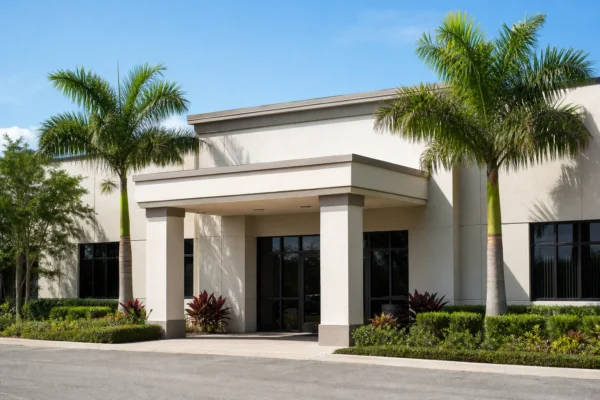
A wildlife plan that fits your building
Scratching above an office ceiling, repeated bird activity under a canopy, or rodent evidence in a storage room each calls for a different response. Before arranging repairs, establish what animal is present, which parts of the building it can reach, and whether activity is continuing. A sighting outside the property does not by itself mean the building is occupied.
For commercial properties in West Palm Beach, the inspection may need to account for several tenants, shared roof space, or deliveries throughout the day. A managed property in Palm Beach Gardens may have multiple buildings and separate maintenance contacts. Those details shape access and communication; they do not replace a close look at the entry point.
What to share when requesting an inspection
Start with the building address, a reliable site contact, and a description of what staff have observed. Note the time of day, the room or exterior elevation involved, and whether the evidence is new or recurring. Photographs taken from a safe position can help explain the concern. Keep employees away from animals, nests, and droppings while the situation is assessed.
- Identify occupied units and any shared ceiling or utility spaces.
- Explain roof-access restrictions, locked rooms, and delivery schedules.
- Describe earlier trapping, pest-control visits, or repairs at the same opening.
- Flag food storage, customer areas, and equipment that must remain accessible.
- Confirm who can authorize removal work, repairs, and any separate specialist services.
A useful proposal separates the immediate animal problem from the work needed to reduce repeat entry. It should also identify inaccessible areas and decisions that depend on further inspection. Keeping those distinctions visible helps an owner compare the actual scope instead of comparing two very different jobs by price alone.
Commercial rodent activity
Rats can move between storage areas, roof spaces, and exterior shelter. Inspection needs to connect the evidence inside with possible routes outside: openings around service penetrations, damaged door details, vegetation against the building, and accessible food or waste. Our rat removal service addresses rodent activity alongside the conditions that allow it to continue.
Building management has an important part in the plan. Keep waste containers closed, address spills, organize stored goods so edges remain visible, and report gaps left after equipment installation. UF/IFAS explains how landscaping choices can reduce pest access, including vegetation that gives animals a route toward a structure. Those changes support control work; they are not proof that every outdoor rat is entering the building.
Bats in commercial roof spaces
A bat roost can remain hidden above a ceiling or behind exterior building details. Bat removal therefore begins by locating the occupied space and understanding the exit routes. Bat exclusion devices let animals leave while preventing reentry; closing an occupied opening immediately can trap them inside.
Florida’s permitted ordinary exclusion window is August 15 through April 15. Work must meet the additional conditions in FWC’s bats-in-buildings guidance, including weather and device-duration requirements. A building’s renovation schedule does not remove those restrictions. Discuss suspected bats before starting roof or facade work so the appropriate sequence can be established.
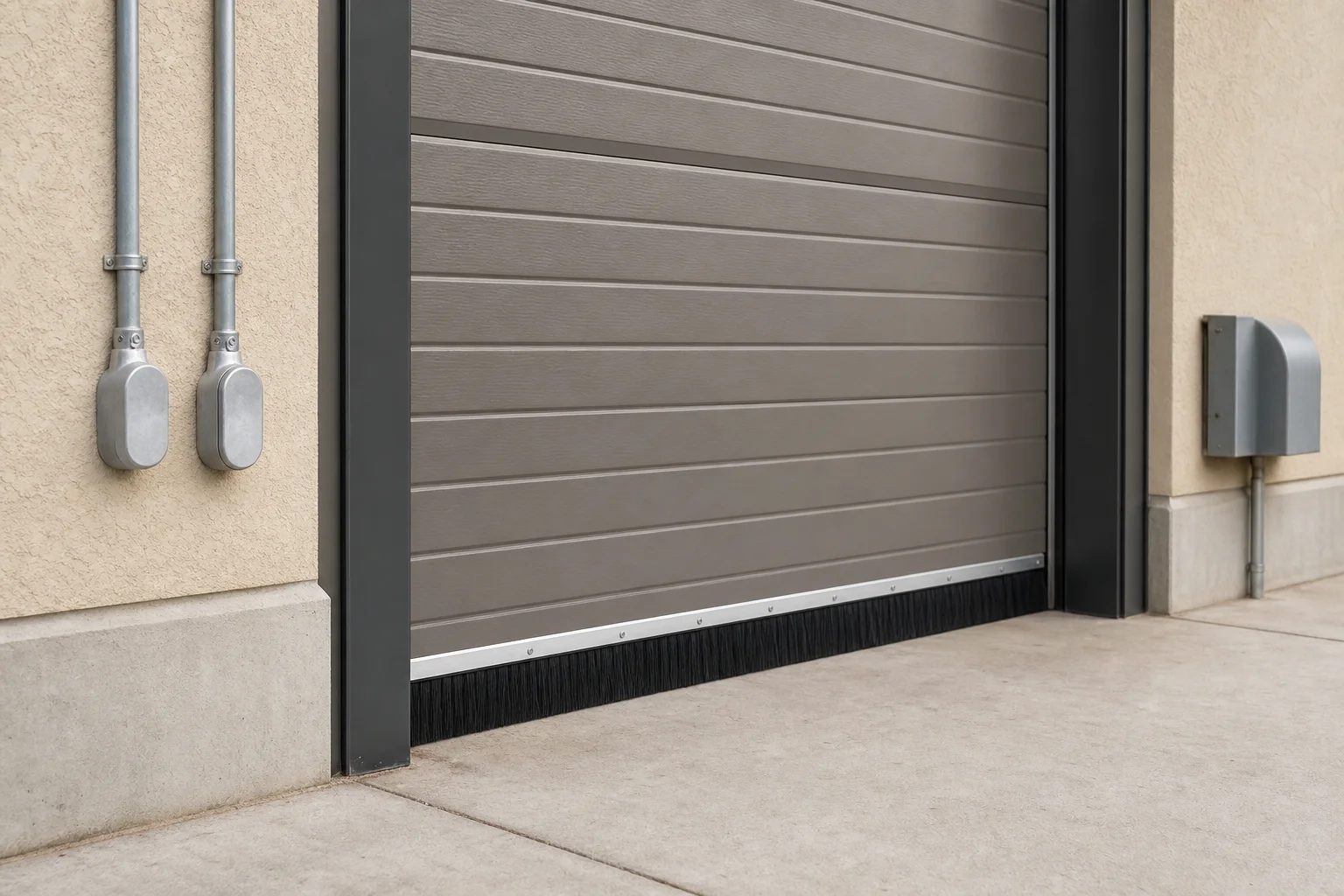
Bird activity around ledges, canopies, and equipment
Birds resting on a ledge are a different problem from birds actively nesting in an enclosed opening. Species, nesting status, and the function of the affected space must be checked before selecting a response. The U.S. Fish and Wildlife Service explains protections for bird nests; active nests of protected species cannot simply be removed as routine building maintenance.
Where appropriate, a proposal may include physical deterrents or exclusion measures such as carefully fitted netting or ledge protection. The design should suit the actual landing or entry area, avoid trapping birds, and leave equipment accessible for maintenance. A poorly fitted barrier that leaves a route behind it can create another hidden problem. Do not cover exhausts or mechanical openings with improvised screening.
Squirrels, raccoons, and concealed spaces
Movement over a ceiling may be associated with squirrels, while a damaged roof edge may warrant an assessment for raccoon entry. Sound alone cannot establish the species. The removal approach needs to account for occupied cavities and dependent young before a permanent closure is made.
In a multiunit property, the room where the noise is heard may be some distance from the exterior opening. Make arrangements for access to neighboring roof sections or utility spaces when needed. Avoid having separate contractors patch different openings independently before the animal plan is settled. A coordinated sequence reduces the chance of moving the problem into an adjacent unit.
After removal: repairs and affected materials
Wildlife exclusion addresses the routes into the building. The proposal should identify which openings are included, the materials planned, and any work that belongs with a roofer, electrician, or other specialist. Ventilation, drainage, and routine service access must continue to function after the repair.
Waste or damaged insulation may require a separate cleanup scope. Do not assign staff to dry-sweep or vacuum rodent droppings; CDC cleanup guidance warns that disturbing this material can put contaminants into the air. Keep the area undisturbed until the cleanup method and access precautions have been established. A deodorizer alone does not remove contaminated material.
Keeping the property easier to inspect
After the immediate work, give maintenance staff a short list of areas to watch: repaired roof edges, service penetrations, waste-storage areas, and spaces where new evidence first appeared. Record later contractor work that changes those areas. A new cable opening or displaced cover can create access even when the original repair is still intact.
For a commercial property in North Palm Beach or elsewhere in our Palm Beaches service area, call 561-462-0335 to discuss the activity, building access, and an inspection. The aim is a clear plan for the present problem and a practical handoff for the people maintaining the building afterward.