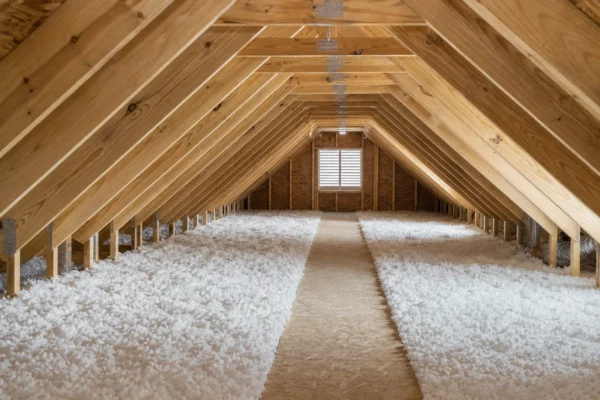
Restore the attic after resolving animal entry
Replacing insulation while wildlife can still enter the attic leaves new material exposed to the same problem. The first question is whether animal activity has ended and the entry routes have been addressed. After that, restoration can focus on the places actually affected by nesting, waste, disturbed insulation, or damage.
For a homeowner in West Palm Beach, the concern may start with an odor over a hallway. In Lake Clarke Shores, it might be insulation disturbed near a roof opening. Those observations are useful starting points, but they do not establish how much of the attic needs work. A restoration proposal should follow inspection findings instead of assuming every attic requires complete replacement.
What the assessment should establish
The affected area may be larger or smaller than the place where the first evidence appeared. A useful assessment considers accessible roof spaces, insulation condition, nesting locations, stains, and the route into the building. It should also distinguish visible findings from areas that remain concealed or unsafe to reach.
- Is there evidence of ongoing animal activity?
- Which insulation and other materials have been affected?
- Are damage and contamination concentrated or spread through several areas?
- Is there a roof leak, condensation issue, or other source of moisture?
- Are ductwork, wiring, or other components involved?
- What access and containment arrangements will the work require?
The answers determine whether localized work is reasonable or a broader removal and replacement scope is needed. They also help distinguish wildlife restoration from unrelated maintenance that happened to become visible during the inspection.
Match the sequence to the animal
Rats, raccoons, and squirrels can leave different patterns of activity in an attic. Removal and entry-point repairs should be coordinated before the restoration is finished. An occupied nest or inaccessible animal cannot be solved by covering the area with new insulation.
Suspected bats require additional planning. Florida limits when ordinary bat exclusion can take place, and FWC’s requirements should be checked before disturbing a roost or its entry area. Explain planned attic or roofing work when requesting the inspection so animal removal and material work can be sequenced appropriately.
Keep contaminated material undisturbed until there is a plan
Do not dry-sweep, brush, or vacuum rodent waste as a household cleanup task. CDC guidance on rodent cleanup calls for precautions that limit exposure and recognizes that heavy infestations require additional protection. Avoid bringing stored items through living areas before their condition has been assessed.
Restoration planning should identify a practical route for workers, equipment, and removed materials. An attic hatch above a closet presents different access questions from a hatch in a garage. Share any concerns about occupied rooms, stored belongings, or pets before work starts. The removal method should suit the material and contamination involved, rather than relying on one tool for every attic.

Cleaning surfaces and addressing odors
Removing affected material and cleaning suitable surfaces are distinct tasks. A fragrance or deodorizing treatment does not substitute for finding and removing the source of an odor. Persistent smells may need further investigation for remaining waste, inaccessible material, a dead animal, or an unrelated moisture problem.
Any treatment must be appropriate for the surface and used according to its product directions. A finished attic should not be described as sterile or guaranteed free of every microorganism. Ask what the proposed treatment addresses, which materials will be removed, and what limitations remain in concealed spaces. This makes the scope understandable without relying on broad claims about sanitizing the entire home.
Ductwork needs its own evaluation
Damage near a duct does not prove that the inside of the heating and cooling system is contaminated. If animals have accessed ductwork, or a duct is torn or disconnected, that finding needs a specific repair and cleaning assessment. Identify whether the work belongs in the wildlife scope or requires an HVAC specialist.
The EPA advises evaluating duct cleaning case by case and cautions about chemical treatments inside duct systems. Attic restoration should not automatically include spraying chemicals through the HVAC system. The duct material, its condition, and the evidence of contamination matter to the decision.
Replacing insulation in the appropriate areas
Insulation that is soiled or substantially disturbed may need replacement, but the scope should explain why. A small isolated area and widespread affected material are different projects. If complete removal is recommended, ask which findings support that recommendation and whether other repairs must happen before new insulation is installed.
Replacement planning should account for the home’s existing insulation system, coverage, required clearances, and ventilation. New material should not hide an unresolved opening or prevent later access to equipment. Where another contractor needs to repair wiring, ductwork, or a roof leak, complete and check that work before covering the area.
Uneven insulation can be documented without promising a particular reduction in utility bills. Energy performance depends on more than one attic condition. The practical objective is to restore the specified insulation coverage while addressing the wildlife-related disturbance identified in the inspection.
What to review before approving the work
A useful written scope identifies the areas included, the materials to remove, the intended replacement, and any separate repairs. It should explain access arrangements and note spaces that cannot be assessed without additional work. Confirm whether disposal, finishing around the access point, and follow-up inspection are part of the proposal.
Ask how completion will be documented. Photographs can help show the condition of areas you cannot safely enter, although they do not replace a full inspection. Keep those records with the exclusion and repair information so future maintenance decisions start with a clear account of what was done.
Arrange an attic restoration assessment
If you have recent animal activity or lingering evidence after removal, call 561-462-0335. AAAC Wildlife Removal of Palm Beaches can discuss your attic concern in Boynton Beach and the surrounding service area. Tell us what you have noticed, whether removal has already occurred, and whether any roof or mechanical work is planned. Those details help connect the inspection with the right next step.